[
Open a restaurant
]

Mandatory training required to open a restaurant

Before opening a restaurant, it is important to find out what qualifications and training you need. Here, we provide a complete summary of the mandatory courses you will have to take to open your restaurant.

2 minutes
Updated on
15/1/2026
Restaurant booking management software

Quick access

Grow your restaurant with
dining out
technology
Turn first time reservations into regulars
Julia Deplaix
Aux Pieds Sous La Table
"Without Zenchef, we would need an additional employee to manage reservations."
Article summary:
Listen to this article
Discover the article in video

Training required for opening a restaurant

No diploma is required to open a restaurant. However, certain specific training courses must be taken before you can open.

The following training courses are compulsory for opening a restaurant:

  • Operating permit (permis d’exploitation)
  • Hygiene (HACCP)
  • Licence to sell alcoholic beverages at night (PVBAN).

Operating permit training

This course is designed for restaurant owners who wish to obtain a restaurant licence, authorising the sale of alcoholic beverages in their establishment.

The course covers the rights, obligations, offences and penalties related to the sale of alcohol.

Its objective is to raise awareness amongst operators of the fight against alcoholism, drugs, tobacco and noise disturbance, enabling them to adopt appropriate behaviour with their customers .

Various topics are addressed during the course, including:

  • Prevention of alcoholism
  • Protection of minors
  • Repression of public drunkenness
  • Fight against noise pollution
  • Drug legislation
  • Principles of civil and criminal liability
  • Operating obligations
  • Conditions for operating a licenced premises and the legislative framework.

The operating permit is issued upon completion of the course. The permit is valid for ten years and can be renewed by taking a new six-hour course. It will then be extended for a further ten years. Once you have obtained your operating permit you can apply for your restaurant licence, the category of which must be displayed in your restaurant.

Price: €200 to €500, depending on the organisation

Duration: 20 hours on average, over 2 ½ days

Where can this course be taken?

The course can be taken at a centre approved by order of the Minister of the Interior or by the Chamber of Commerce and Industry: see the list of approved organisations.
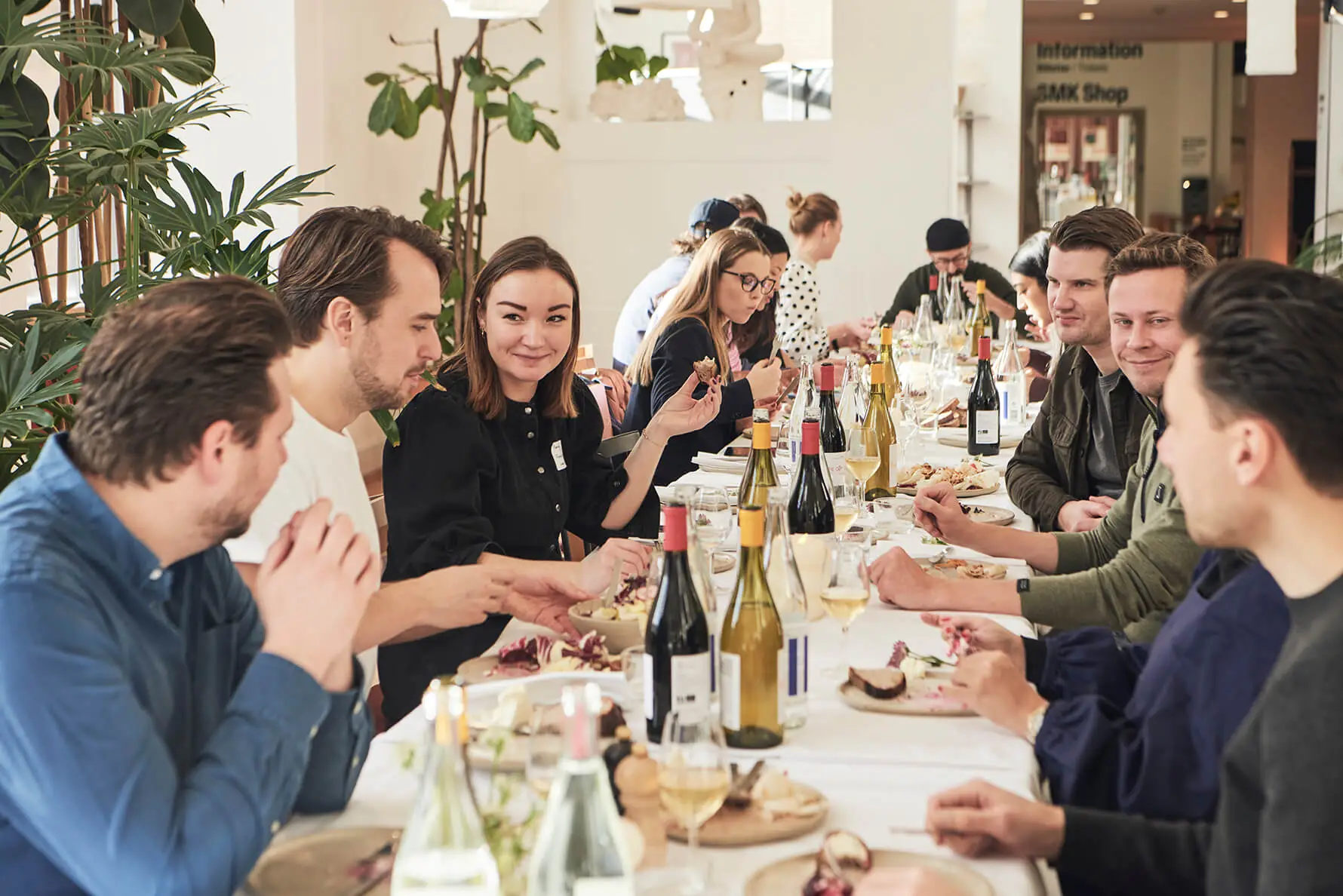
Create memorable experiences people will come back for.

Hygiene training

At least one restaurant staff member must have been trained in HACCP (Hazard Analysis Critical Control Point) hygiene standards.

This course aims to educate operators on food safety and hygiene standards.

The following are some of the topics covered during the food safety and hygiene course:

  • Key HAACP principles as applied to the commercial food sector
  • Risks associated with poor food hygiene
  • Microbial hazards
  • Sanitary control plan
  • Self-checks and official controls
  • Food hygiene practices
  • Organisation of food production and storage in accordance with preventive measures
  • Conservation, cooking and cooling of foodstuffs in compliance with food safety and hygiene measures.

A certificate is issued upon completion of the course. This certificate must be presented to the inspector in the event of an inspection. Failure to comply with this obligation may result in a formal notice and an official report.

Price: €200 € to €450, depending on the organisation

Duration: 14 hours on average, over 2 days

Where can this course be taken?

This course can be taken at a training centre listed in the directory of the Regional Directorate for Food, Agriculture and Forestry (consult the list for l’Île-de-France).

Good to know:
This training course is not compulsory if you (or one of the members of your team) already hold a level 5 diploma included on the list defined by the order of 25 November 2011 and/or have three years' experience as a manager or operator in the agri-food sector.

PVBAN training

If you plan to serve alcohol between 10 pm and 8 am in your restaurant, you must take the PVBAN (licence to sell alcoholic beverages at night) course.

This course aims to teach future restaurant owners about the obligations relating to the sale of alcohol during night-time hours.

The following are some of the topics covered during the PVBAN course:

  • Provisions relating to prevention and the control of alcoholism and tobacco use
  • Protection of minors
  • Repression of public drunkenness
  • Principles of civil and criminal liability
  • Rights and obligations as an operator in terms of prevention and the protection of public health
  • Classification of beverages.

A certificate is issued to participants upon completion of the course.

Price: €240 on average

Duration: 1 day (7 to 8 hours)

Open up your restaurant to new streams of revenue
Gift vouchers, click & collect, prepayments...discover the solutions tailored for your business!

Recommended training courses for opening a restaurant

Even if not compulsory, we would recommend training and acquiring certain skills before opening your restaurant. The restaurant industry is a challenging one, and restaurant owners must be able to deal with cash flow, inventory, staff, customers, menus, etc.

Before opening or taking over a restaurant, you could for example, undergo training in the following areas:

Undergoing training before opening a restaurant will also give your project more legitimacy with stakeholders, and be a real asset in obtaining financing from banks or private investors.

Do not forget to include your diplomas, training certificates and professional experience in your business plan!

The following is a non-exhaustive list of organisations where you can get training to start your restaurant:

Certain public organisations also offer assistance and support for business creation, such as NACRE or CAPE, etc. Do not hesitate to ask your Pôle emploi (the French national employment agency) advisor for information on the solutions available to you.

If you want to find out more about how to open a restaurant, check out our other articles on the subject:
Administrative procedures and formalities for opening a restaurant

How to conduct a good restaurant market study

All you need to know about VAT in the restaurant sector
Réussissez le lancement de votre restaurant
Découvrez 4 solutions leaders du marché de la restauration, réunies dans un pack flexible pour vous aider à performer dès le départ.

FAQ

When is the best time to train my service staff?

The best time to plan training for service staff is before the restaurant opens (or as soon as they are hired).

Can you open a restaurant without a degree, or do you need a vocational qualification?

You can open a restaurant without a degree, and a vocational qualification in cooking is not mandatory. However, for future restaurateurs without experience, we recommend choosing an experienced support team who can provide you with the best possible assistance.

Which jobs in the restaurant industry are in high demand?

Among the professions in the hospitality sector that are in high demand are kitchen assistants, cooks, restaurant managers and dining room managers, sous chefs, waiters, crêpe makers and pizza chefs, head waiters, restaurant managers, restaurant pastry chefs, and chefs de partie.

Why train my restaurant staff?

There are several advantages to providing ongoing professional training to your restaurant teams.

Firstly, it improves the customer experience. Customers are becoming increasingly well-informed (transparency, food origin, high-end service, allergies, etc.): by having a well-trained team, you can boost customer satisfaction.

Second, it allows you to be more competitive. Many restaurants are closing in France, but by training your team in customer service, advice, and service, your restaurant will retain its customers.

Furthermore, continuing education in the restaurant industry is a real added value in limiting turnover, avoiding recruitment difficulties in a sector under pressure, and retaining your teams.

Finally, professional restaurateurs benefit from continuing education in specialized and technical areas such as management (costs, margins, personnel, profitability) in a context where inflation in the restaurant industry is weighing on establishments.

Article written by:

Follow:

Our other guides

Discover our solutions

Reservation
Discover
Payment
Discover
Loyalty
Discover
Zenchef App
Discover
READY TO CREATE
exceptional
DINING
EXPERIENCES?
Request a demo or get in contact with our sales team.